
What Building an Off-Grid Mobility Hub in San Pedro Taught Me
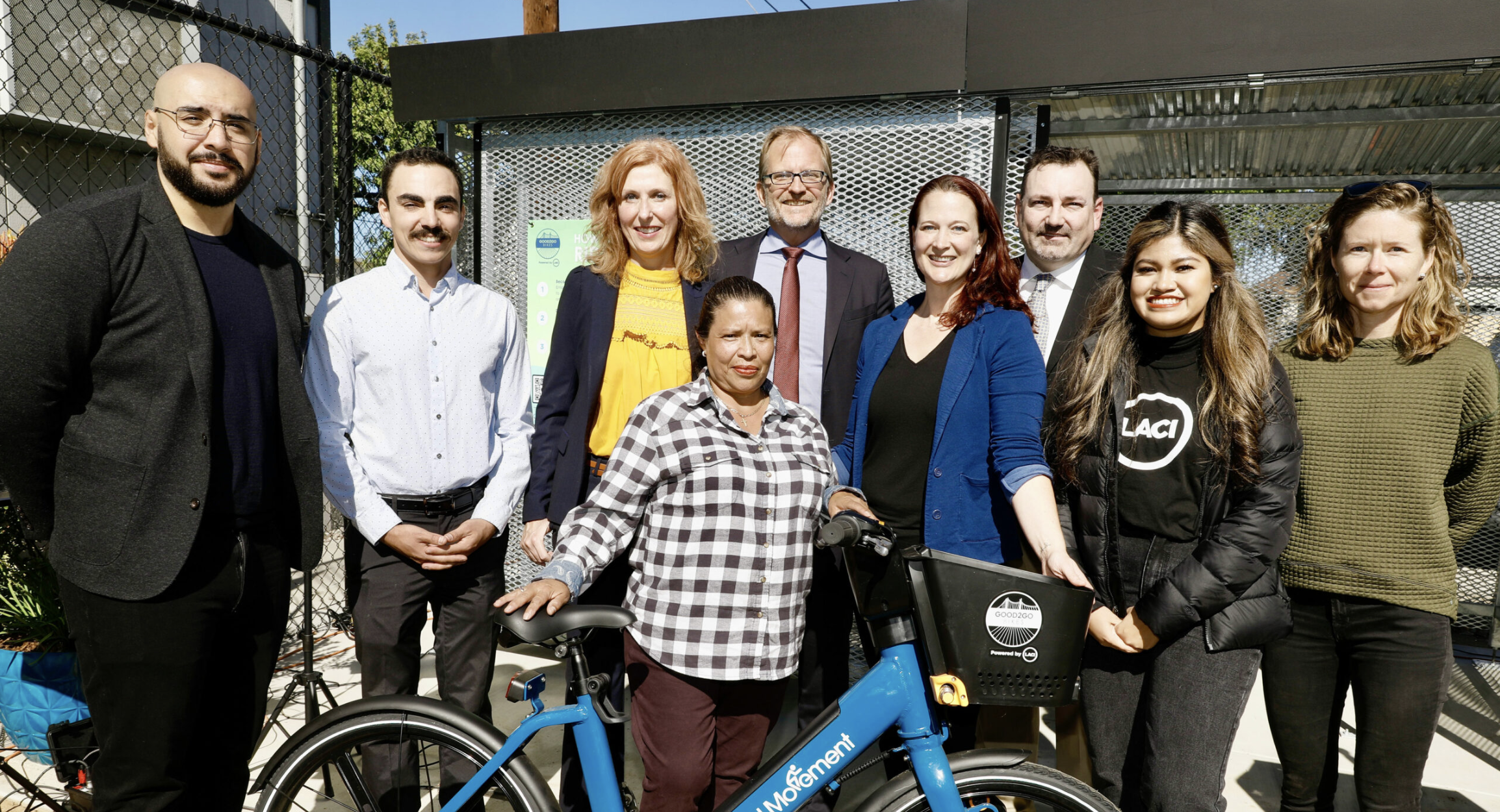
How one community mobility project helped shape the vision behind Light Transit.
By John Tully | Founder & CEO, Light Transit
Over the years, I've had the opportunity to help build and operate a wide range of bike share and mobility programs. Each project has brought its own challenges, lessons, and opportunities to rethink how we approach transportation.
But some projects leave a bigger impression than others.
One of those projects was Good2Go Bikes at Rancho San Pedro in Los Angeles.
What started as a community mobility project became an opportunity to rethink how we design infrastructure, integrate technology, and make better use of available resources.
Between developing an off-grid charging hub, working with new technology partners, and finding creative solutions to unexpected challenges, the experience reinforced what I enjoy most about this industry: bringing ideas to life, solving problems, and building systems that make a difference.
Looking back, it helped shape my vision for Light Transit.
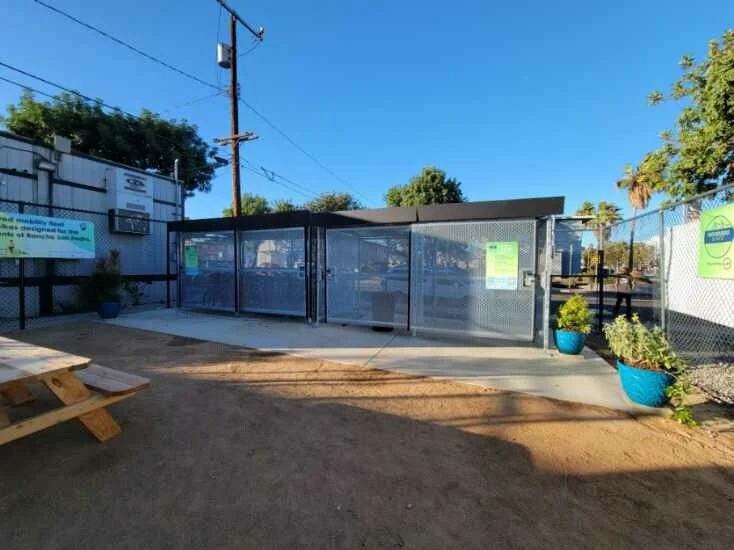
A Different Approach to Community Mobility
Rancho San Pedro is a 21-acre public housing community near the Port of Los Angeles. Like many communities across Southern California, residents face challenges accessing reliable, affordable transportation.
Sometimes the biggest transportation barriers aren't long-distance trips. They're everyday trips just a few miles from home: getting to work, grocery shopping, or attending appointments.
In 2022, the Los Angeles Cleantech Incubator (LACI) and the Housing Authority of the City of Los Angeles (HACLA), with support from the California Air Resources Board (CARB), launched Good2Go Bikes to help address those challenges.
At the time, I was the co-founder and CEO of Pedal Movement, one of the project's implementation partners. I had the opportunity to work alongside our team and project partners to bring the mobility hub to life, from deploying infrastructure to preparing the program for launch.
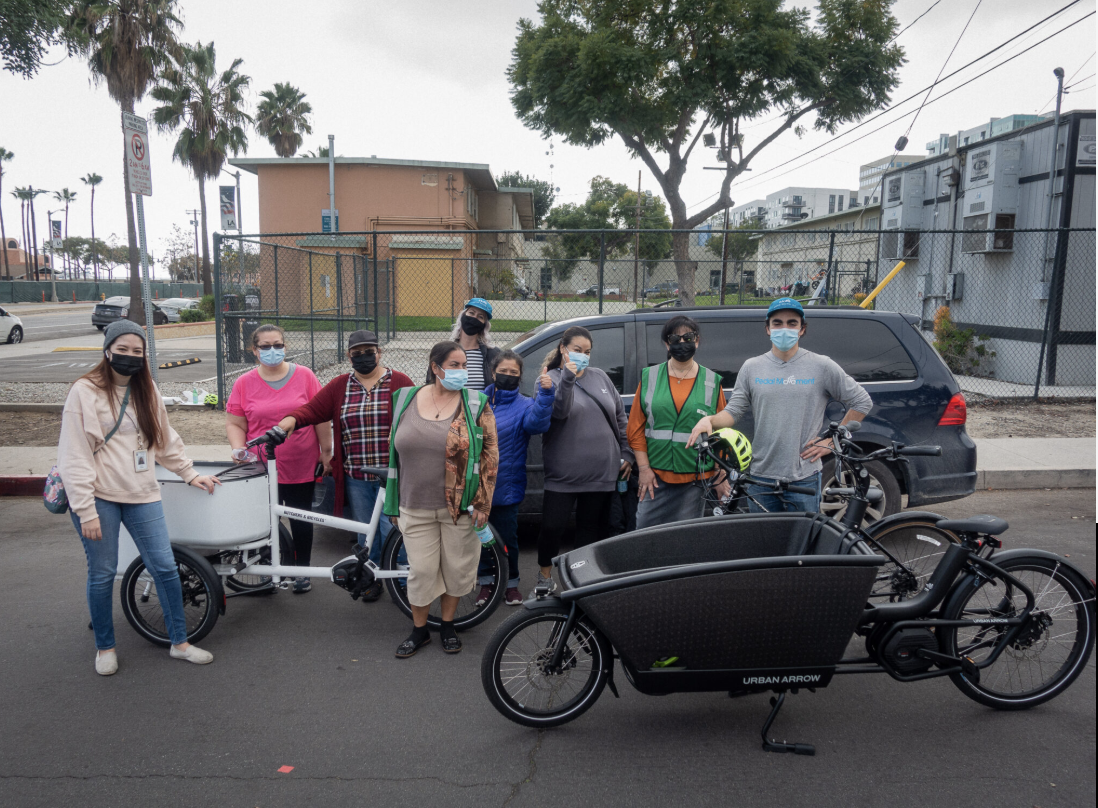
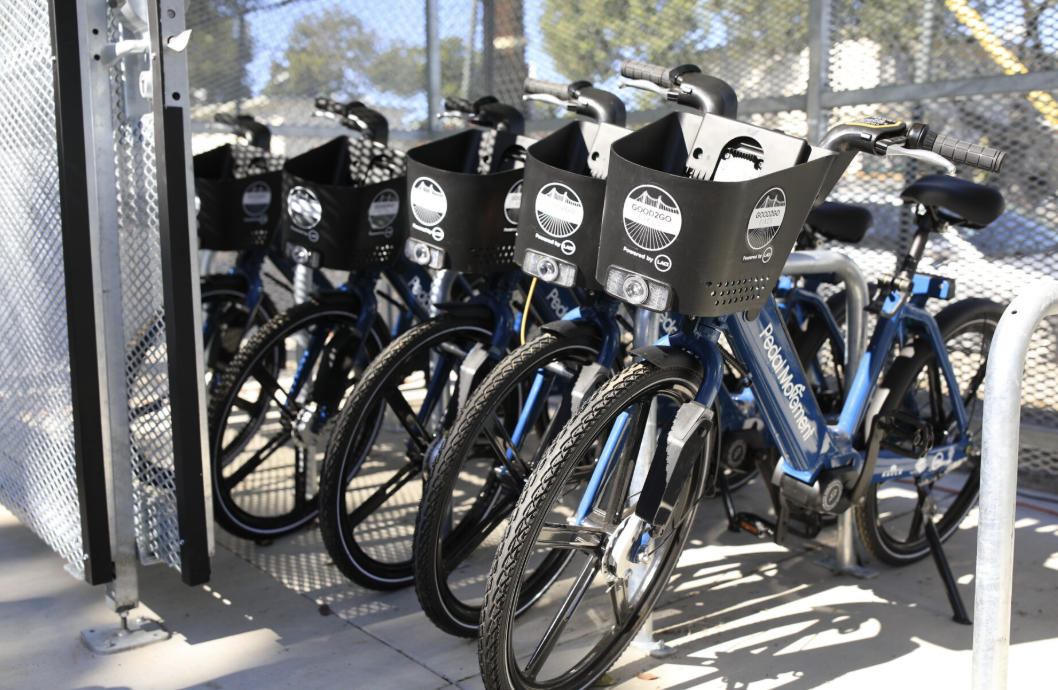
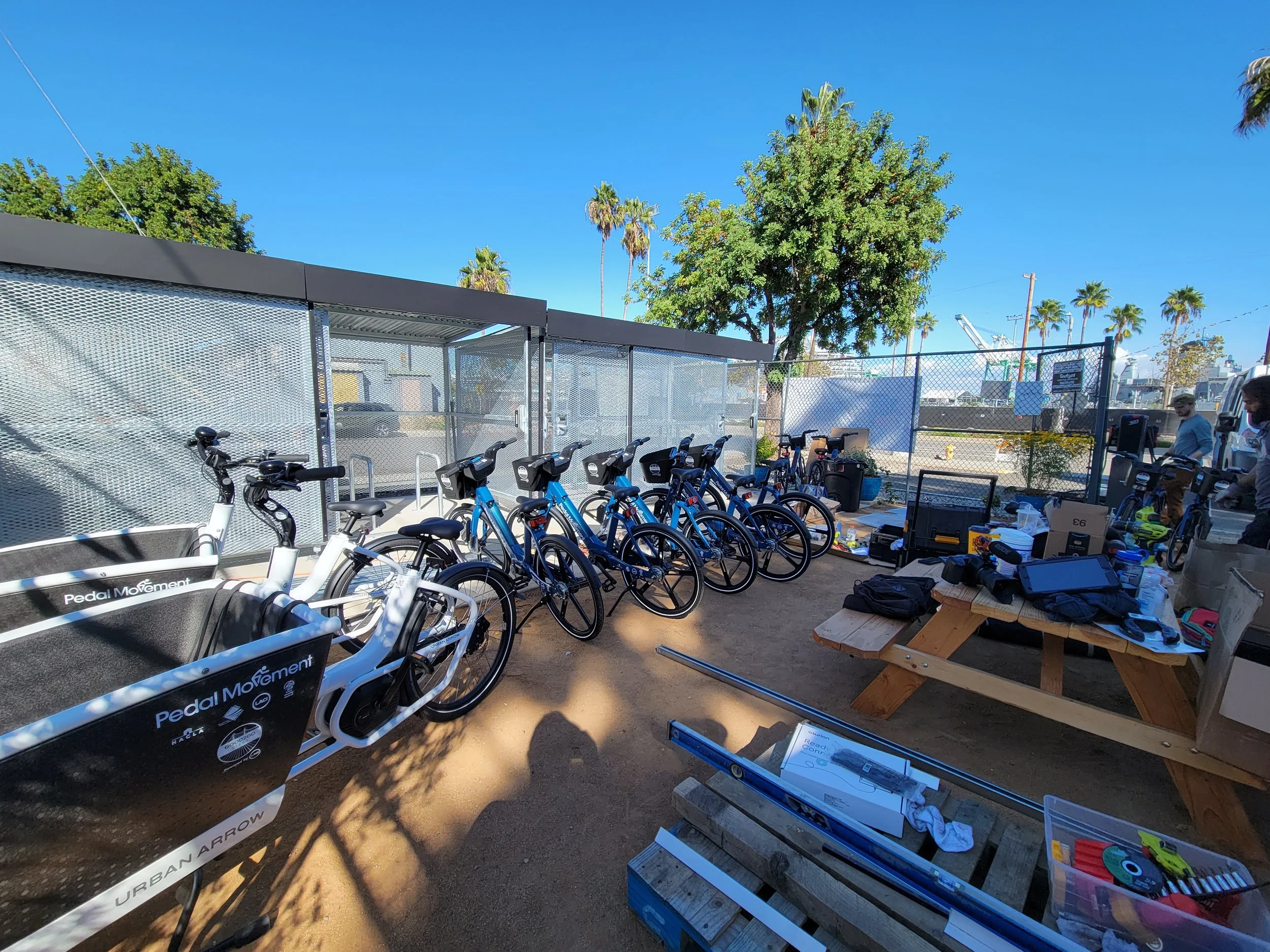
The initial fleet included 16 electric bikes and four electric cargo bikes, giving residents another transportation option.
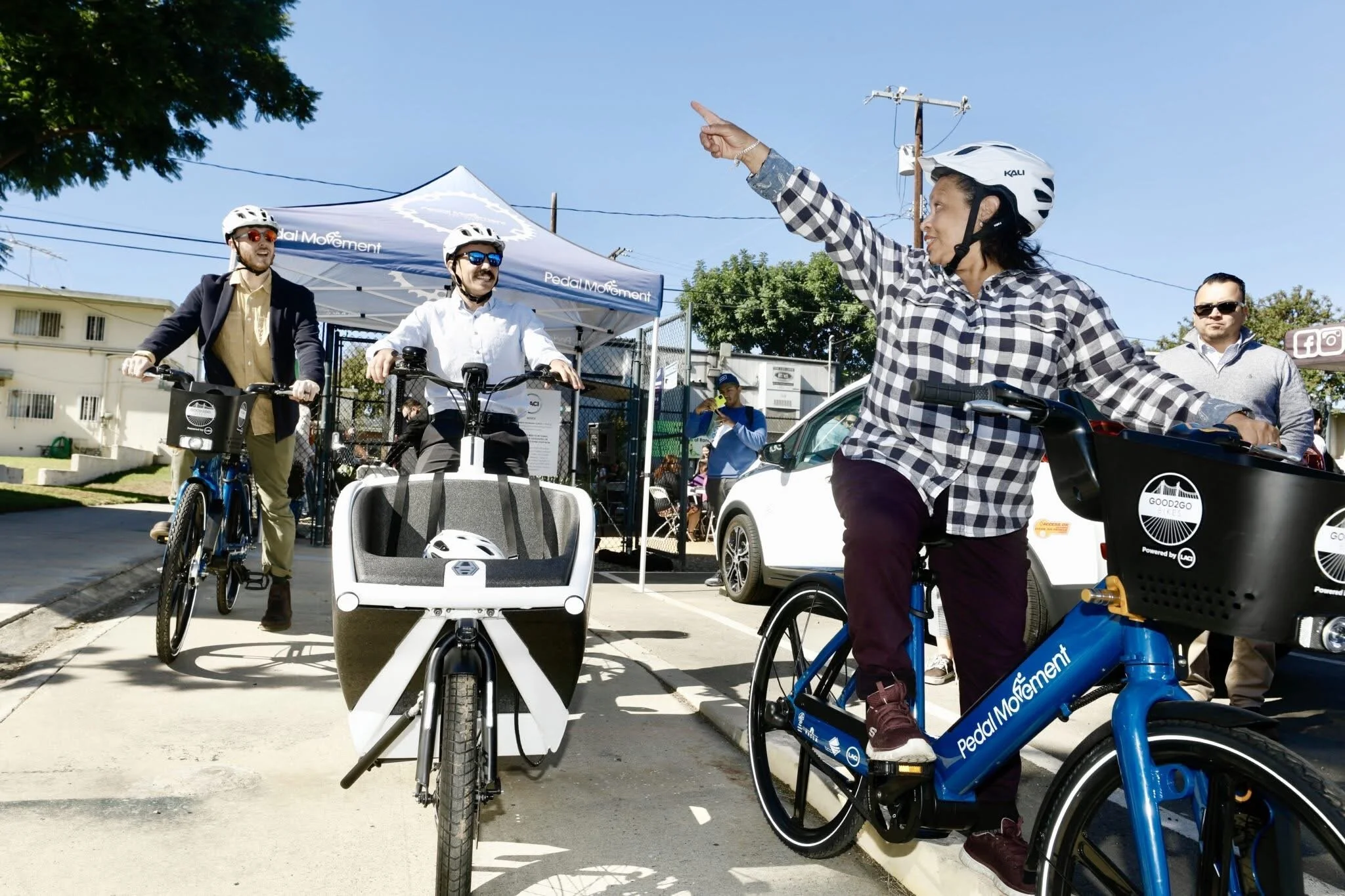
Both e-bikes and cargo e-bikes are part of the Good2Go Fleet.
Why We Built It Off-Grid
The original scope called for a traditional mobility hub with an electrical connection.
Then we learned that the particular site within Rancho San Pedro was scheduled for redevelopment in the coming years.
Why invest in permanent electrical infrastructure if the site might be redeveloped in just a few years?
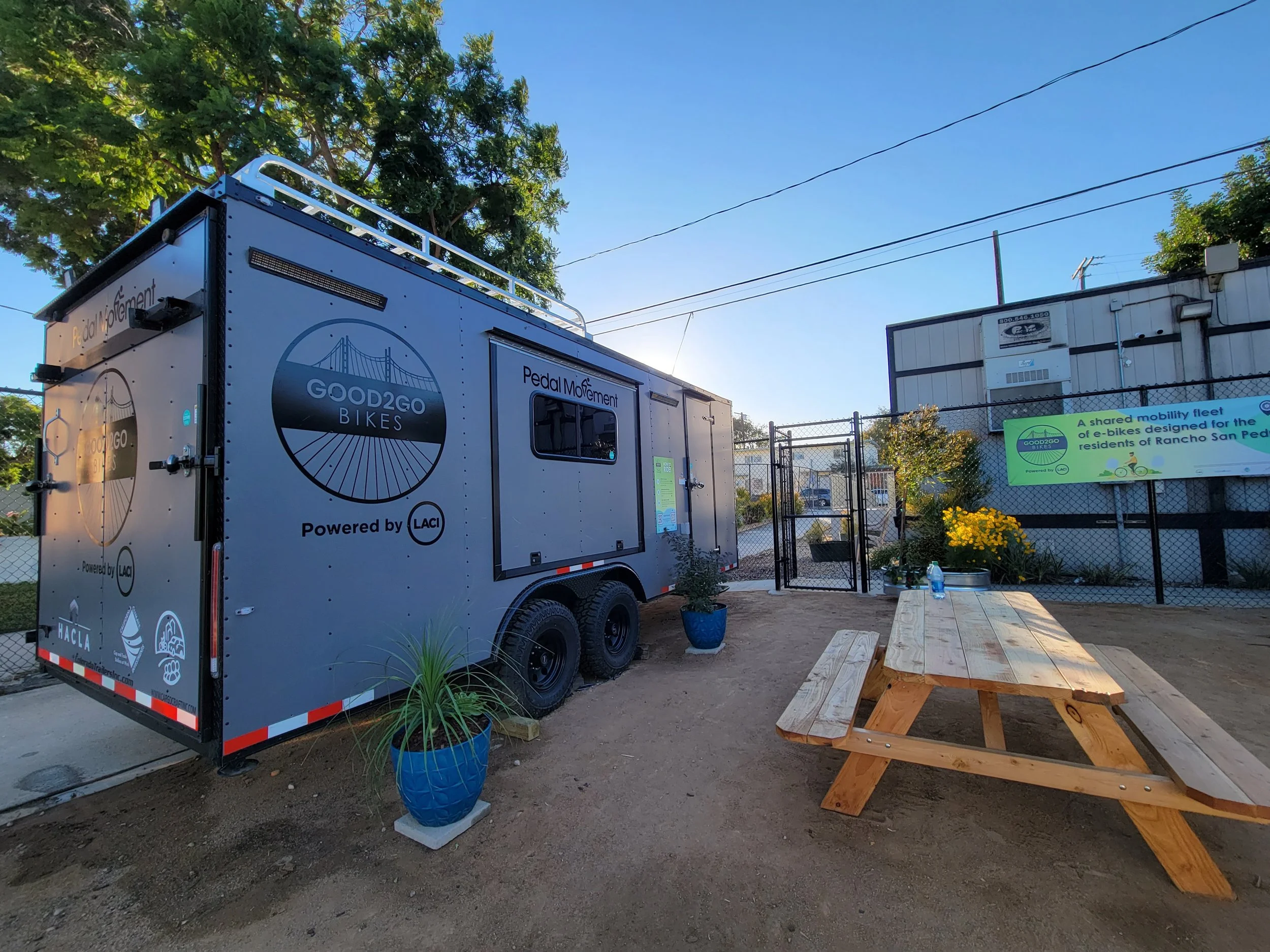
We explored alternatives and ultimately decided to deploy a fully off-grid, solar-powered mobility hub.
The goal was to create something functional, efficient, and modular rather than investing in infrastructure that might eventually be demolished.
It wasn't just about sustainability. It was about making responsible decisions with the resources available and thinking beyond the initial project timeline.
Public funding should create lasting value.
Alongside the primary solar-powered hub, we established a second bike parking and access location to better serve residents throughout the community.
From Construction to Operation in Four Months
Anyone who has worked on public infrastructure knows how much permitting, utility coordination, and construction can delay a project.
We wanted to approach things differently.
We studied the site's zoning and applicable requirements, evaluated which improvements could be made without triggering additional permitting, and used those constraints to guide our design.
Once planning and coordination were complete, our team went from site preparation to an operational hub in approximately four months.
We removed unsuitable soil, poured new concrete, installed gravel, and built out the necessary infrastructure without going through a traditional building permit process.
That experience reinforced something I've carried into Light Transit: the best solutions often come from challenging conventional approaches, working creatively within real-world constraints, and designing infrastructure that can adapt as needs change.
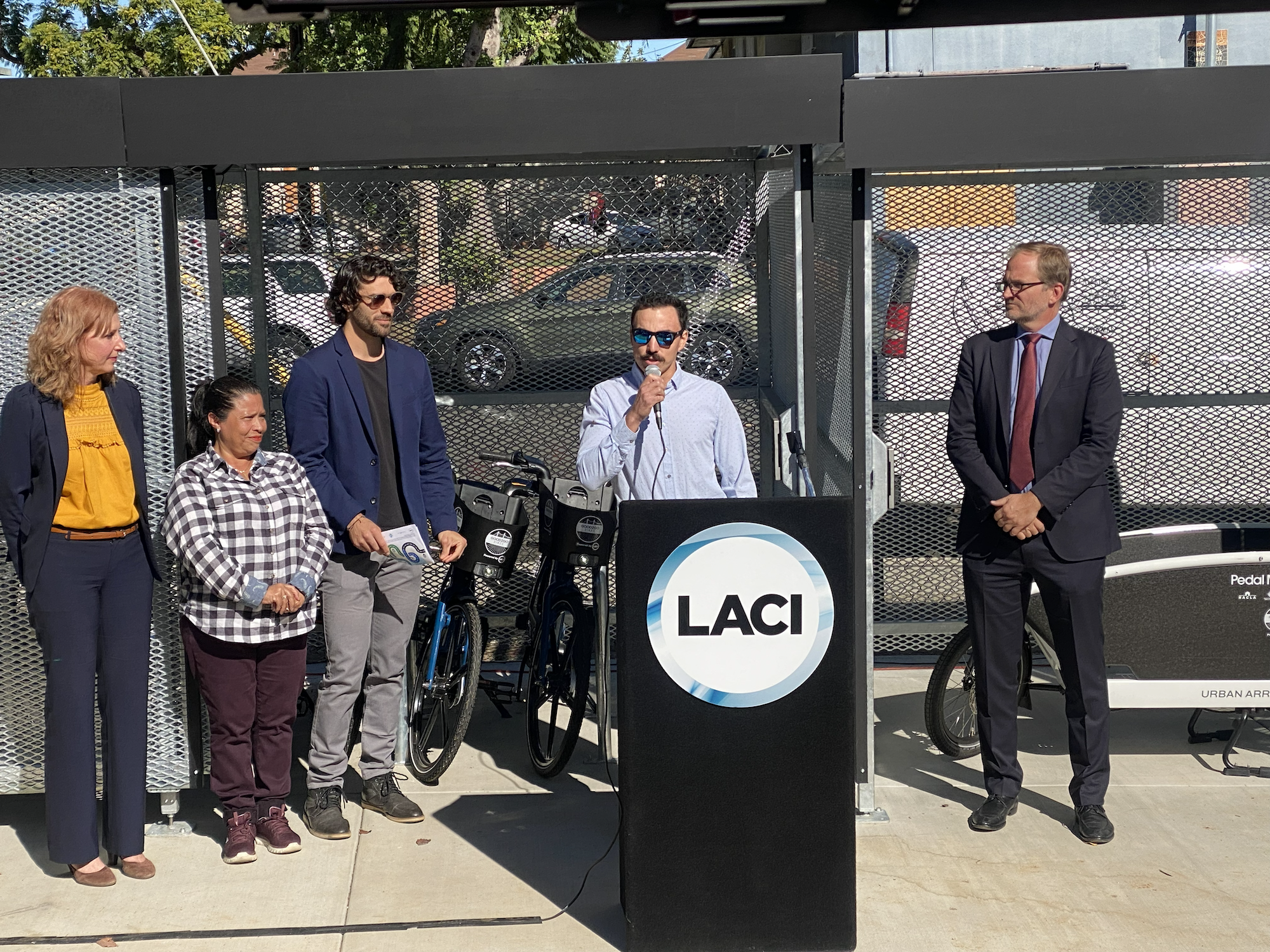
John Tully speaks at the launch of the San Pedro mobility hub.
Community Mobility Should Create Community Opportunity
I've always believed public investment in urban mobility should do more than provide transportation. Whenever possible, it should create economic opportunities for the communities it serves.
We carried that philosophy into Good2Go Bikes.
From the beginning, we prioritized hiring Rancho San Pedro residents to help operate and maintain the hub.
Rather than bringing in an outside workforce, we wanted the people supporting the program to come from the community itself.
The people helping riders and maintaining bicycles were also neighbors.
To me, that's an important part of successful community mobility. Transportation investments should create local jobs, develop skills, and give residents a greater sense of ownership.
When people are part of a program, not just users of it, the benefits extend beyond transportation.
By 2025, Good2Go Bikes was operating as a free program for residents, further reducing barriers to access.
The Challenges Behind the Technology
While developing the hub, I spent considerable time researching, sourcing, and identifying the components needed to make everything work.
We needed electric bicycles, cargo bikes, charging infrastructure, electronic locks, and fleet management software.
Most importantly, everything needed to work together.
As we evaluated available e-bike-share solutions, we repeatedly encountered challenges with vertically integrated systems. Some were designed for much larger programs and were too expensive or complex. Others were too rigid to accommodate different vehicles or custom infrastructure.
Even strong platforms often had significant gaps somewhere in their technology stack.
A vendor might offer a great bike but limited compatibility with third-party technology. A software provider might have a strong fleet platform but limited integrations with IoT devices, electronic locks, or essential software features. Infrastructure solutions were often proprietary, making it difficult to incorporate other vehicle types, charging solutions, or conventional bicycle parking.
Finding good individual products wasn't necessarily the problem. Finding products that worked well together was.
Having operated mobility programs across multiple West Coast markets, I also understood that these challenges extended beyond deployment.
A system needed to work for riders and for the people maintaining the bikes, managing the fleet, and keeping everything running.
I kept thinking there had to be a better way.
But I also realized how much I enjoyed bringing technologies together, exploring new approaches, and solving problems that didn't have straightforward answers.
After years of building and operating transportation programs, I recognized that developing the technology behind those systems was where I wanted to focus my energy next.
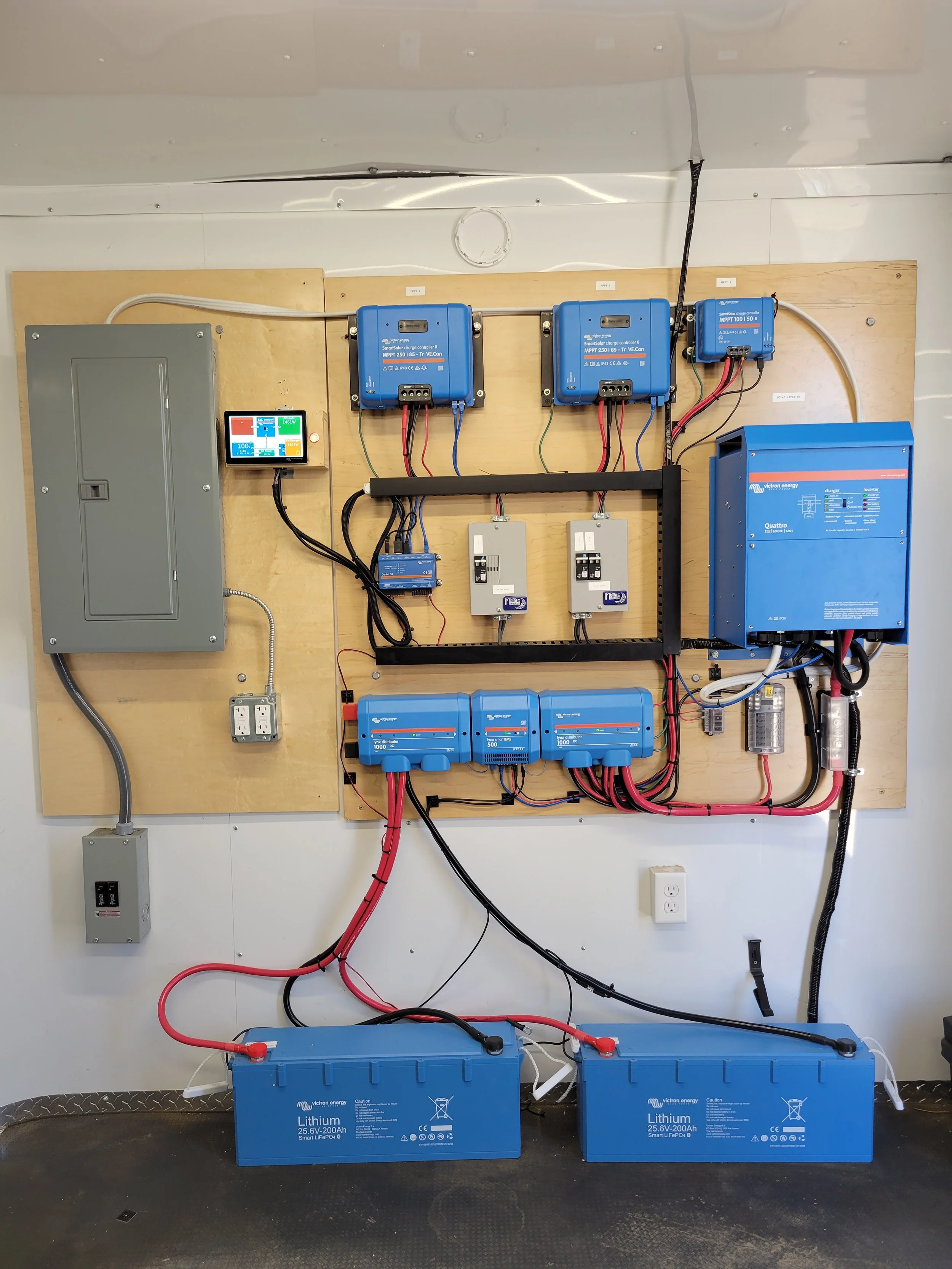
A look behind the scenes of this off-grid hub’s setup
How Those Lessons Shaped Light Transit
In 2023, I founded Light Transit to take those lessons and apply them to developing better technology for cities, communities, and operators.
Our focus is bringing together the vehicles, software, and infrastructure needed to build reliable, flexible light-electric transportation systems.
We believe cities and operators should have the freedom to choose products and partners that work best for their communities without being locked into a proprietary ecosystem.
That doesn't mean reinventing everything.
Our philosophy is to integrate where it makes sense and develop where there's a genuine need.
There are great manufacturers and technology companies doing important work across this industry. We want to build on those innovations, connect what already works, and help address the remaining gaps.
Our experience as operators also shapes our approach. We think beyond launch day: how easily equipment can be repaired, how technology can be upgraded, and how systems can adapt as needs change.
Building for the Long Term
Looking back on Good2Go Bikes, I'm proud of what everyone involved accomplished.
We helped bring electric mobility to a community facing transportation barriers, developed off-grid charging infrastructure, and created employment opportunities for local residents.
But more importantly, the project reinforced what I believe successful mobility programs should accomplish.
The goal isn't just to put more bikes on the street. It's to build transportation systems that create lasting value for the communities using them.
I'm grateful to LACI, HACLA, CARB, Pedal Movement, and especially the Rancho San Pedro community for making this project possible.
The lessons continue to shape our work at Light Transit today.
And in many ways, we're just getting started.
Get in Touch
If you’re a local government or organization looking to expand micromobility in your community, please get in touch!
I’m always up for sharing needs and resources so that we can work together towards lighter transit as a society.