
Built Open, Built to Last
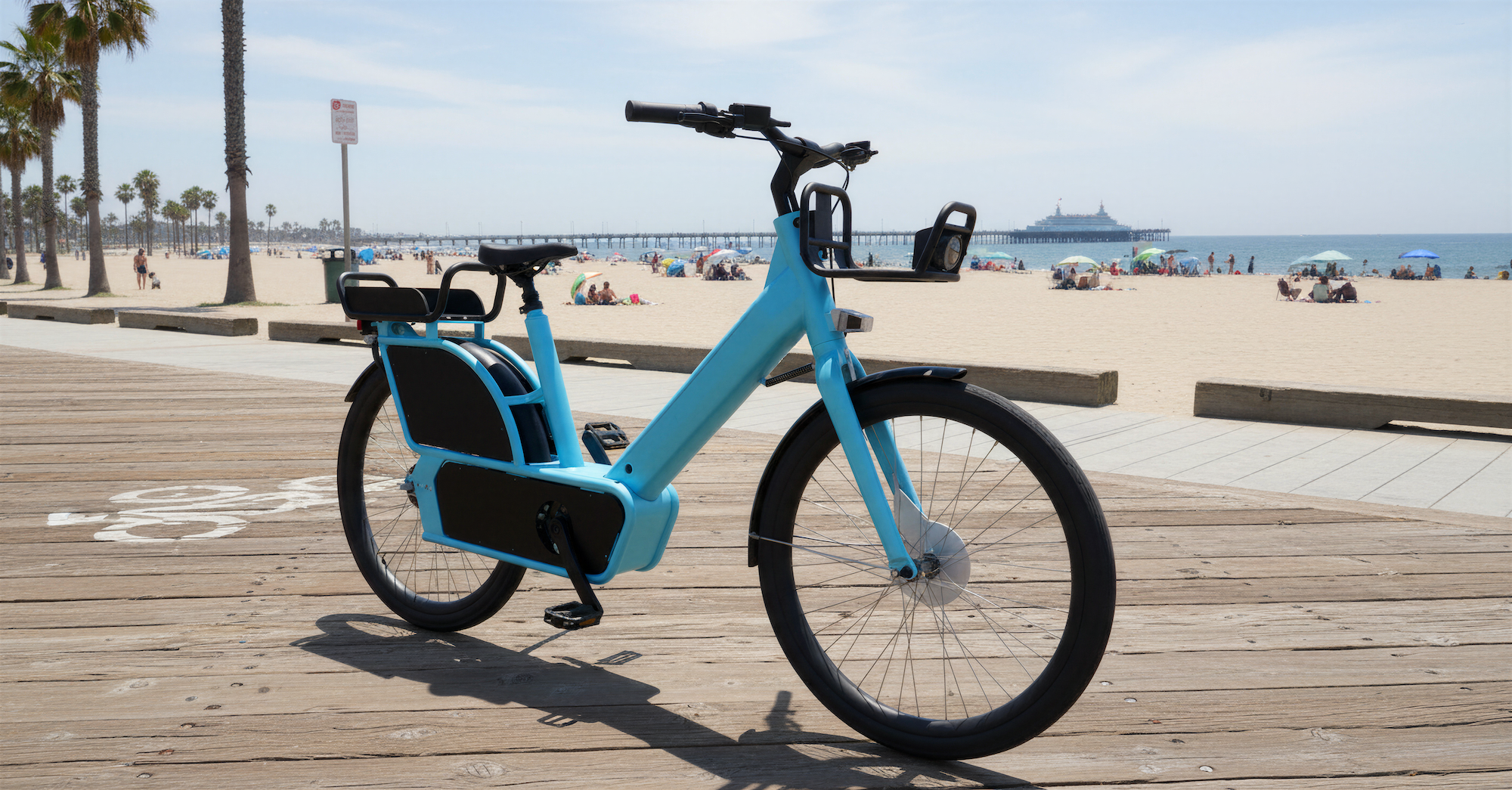
Light Transit integrates with the leading micromobility players across hardware, software, and operations. Our goal is to push the industry toward openness and interoperability, putting local agencies in full control of their transit stack.
At Light Transit, we love getting people out of cars and onto sustainable transportation. Active transportation is the key to healthier, more connected cities. When streets are safe, walkable, and bikeable, people actually use them. Good infrastructure and a few simple amenities are all it takes to make multi-modal transit the easy choice. When that happens, local business corridors come alive, greenhouse gas emissions drop, and daily life gets more accessible for everyone.
But getting there is hard. Let’s look at the real problems, and some great solutions already at our disposal—if we’re willing to allow them.
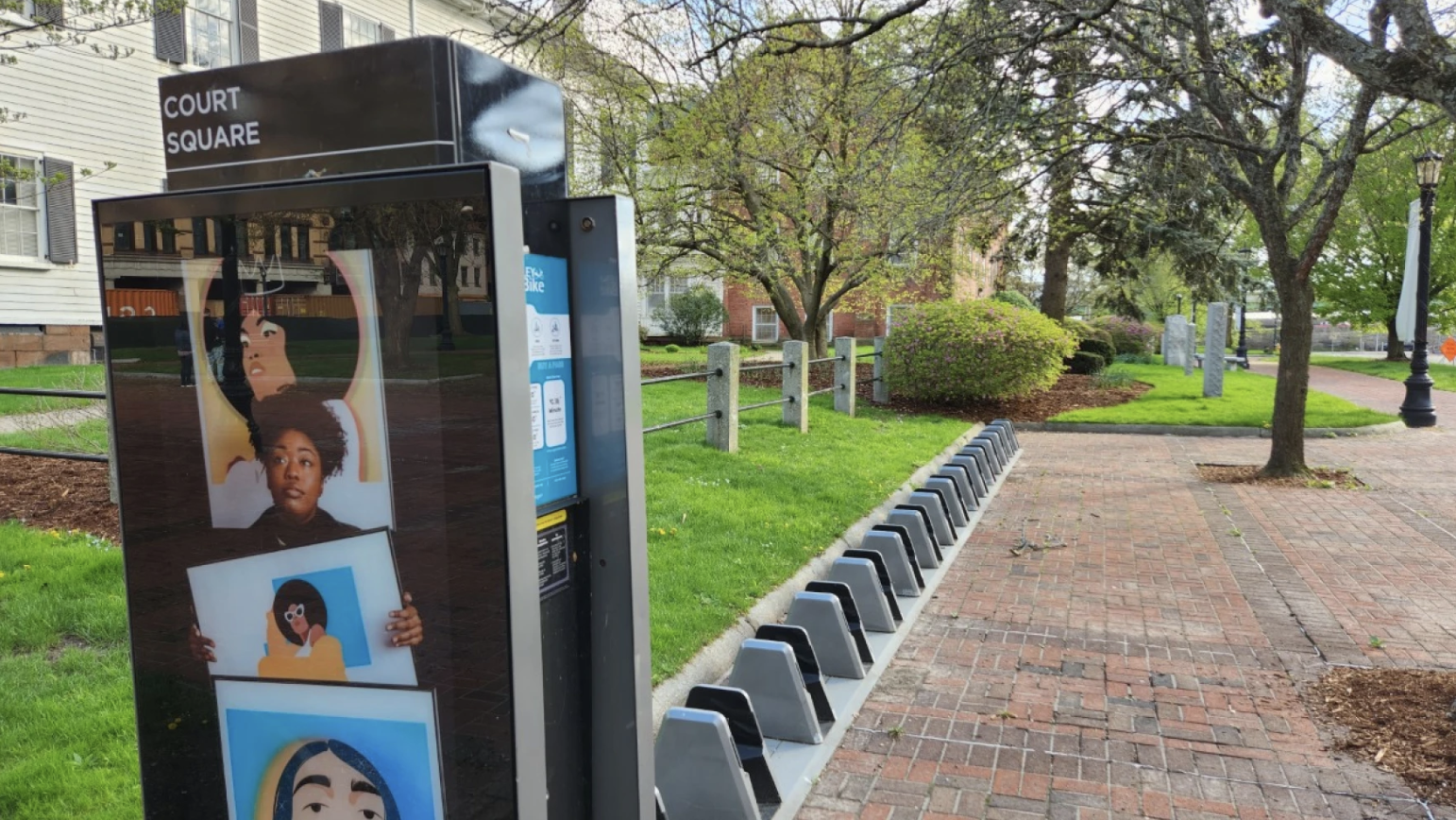
An empty docking station in Western Massachusetts after a bikeshare provider’s bankruptcy left proprietary docking stations that could not be re-purposed by a new vendor. Read the full story for more on the risks of proprietary infrastructure here.
The problem with how bike share gets built today
New infrastructure is expensive. So is the feasibility study a city has to fund just to find out whether it can support a bike share network in the first place. From there, cities wade into a long, painful procurement process. At the end of it, they're often locked into a single vendor for five years or more.
The e-bike boom of the last few years brought real innovation. New vehicle types, new business models, most of it heavily subsidized by venture capital. But the lesson arrived just as fast: very little of that growth came from real margins. Public micromobility, so far, is still searching for sustainable footing.
That leaves cities at a crossroads. Either they take on a slow, expensive public build, or they hand the work to private operators like Bird, Veo, Lime, or Spin. Those platforms can work well, if one company's take-it-or-leave-it system happens to fit your region. If it doesn't, you're stuck with an incomplete answer to what your streets actually need. Meanwhile, the industry on both sides, public and private, has consolidated down to a handful of players in North America, limiting the range of viable solutions.
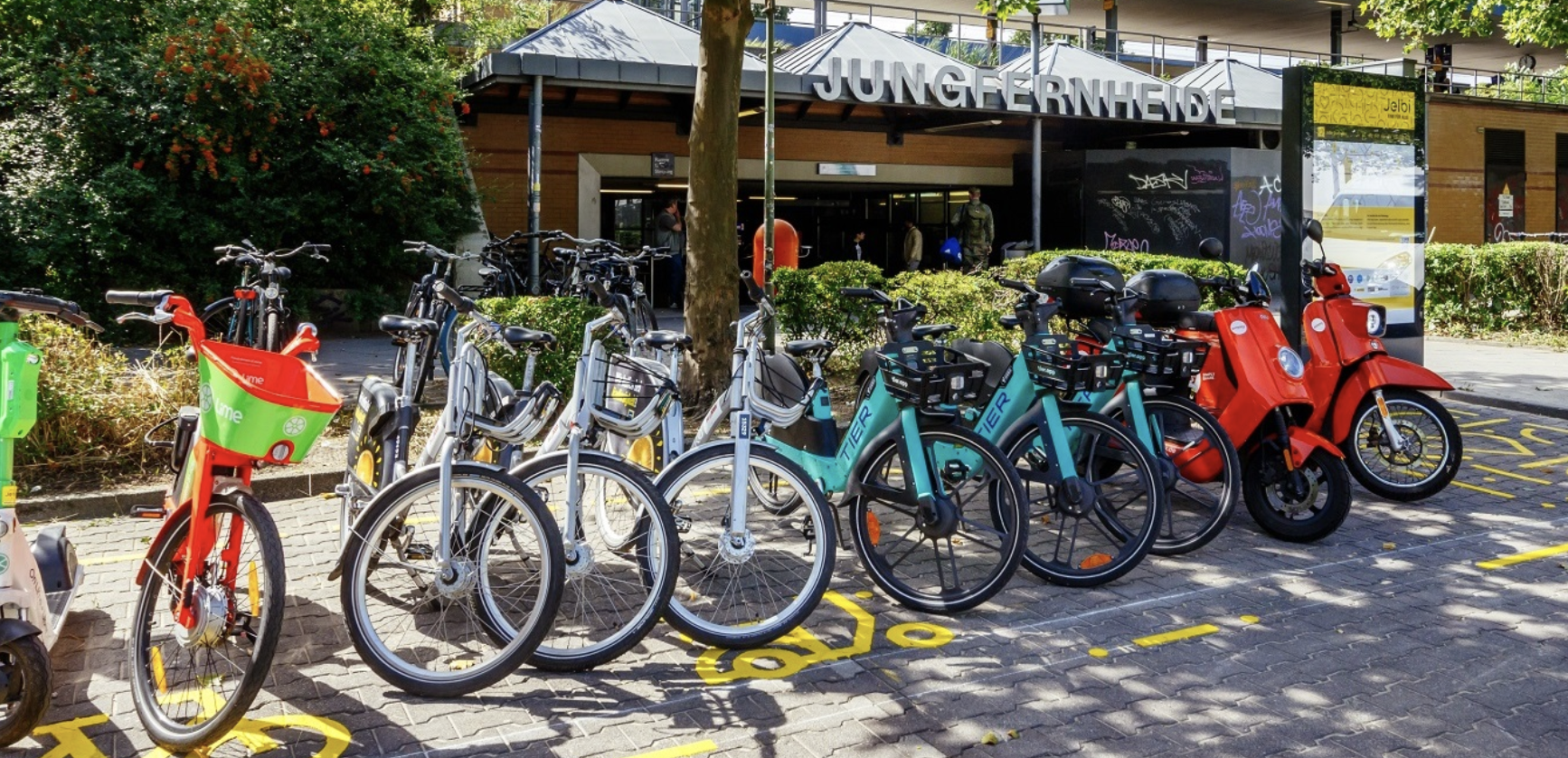
A transit hub in Berlin, Germany, showing the wide range of transit options available.
We're stuck. Europe isn't.
European micromobility keeps evolving because operators and private companies there constantly wrestle with the real question: build or buy? Do you spend heavily to develop proprietary technology in-house, or buy proven tech, lean on vendor support, and accept slightly lower margins to move faster?
Private operators make that trade-off every day. Public bike share vendors stayed in their lane and kept iterating. Over time, procurement agencies got smarter, piecing together custom systems that actually fit their cities instead of settling for one vendor's one-size-fits-most solution.
As a result, in places like Berlin, citizens have access to a wide range of transit options when they connect at a city hub. In the image above, you can see not only a range of vehicles, but also a range of providers/partners.
In North America, demand is just as strong. But the industry is fragmented, and most U.S. vendors still insist on owning and managing every piece of the stack themselves. Cities and riders are the ones who pay for that, in cost, in delay, and in rigid systems that don't fit their streets.
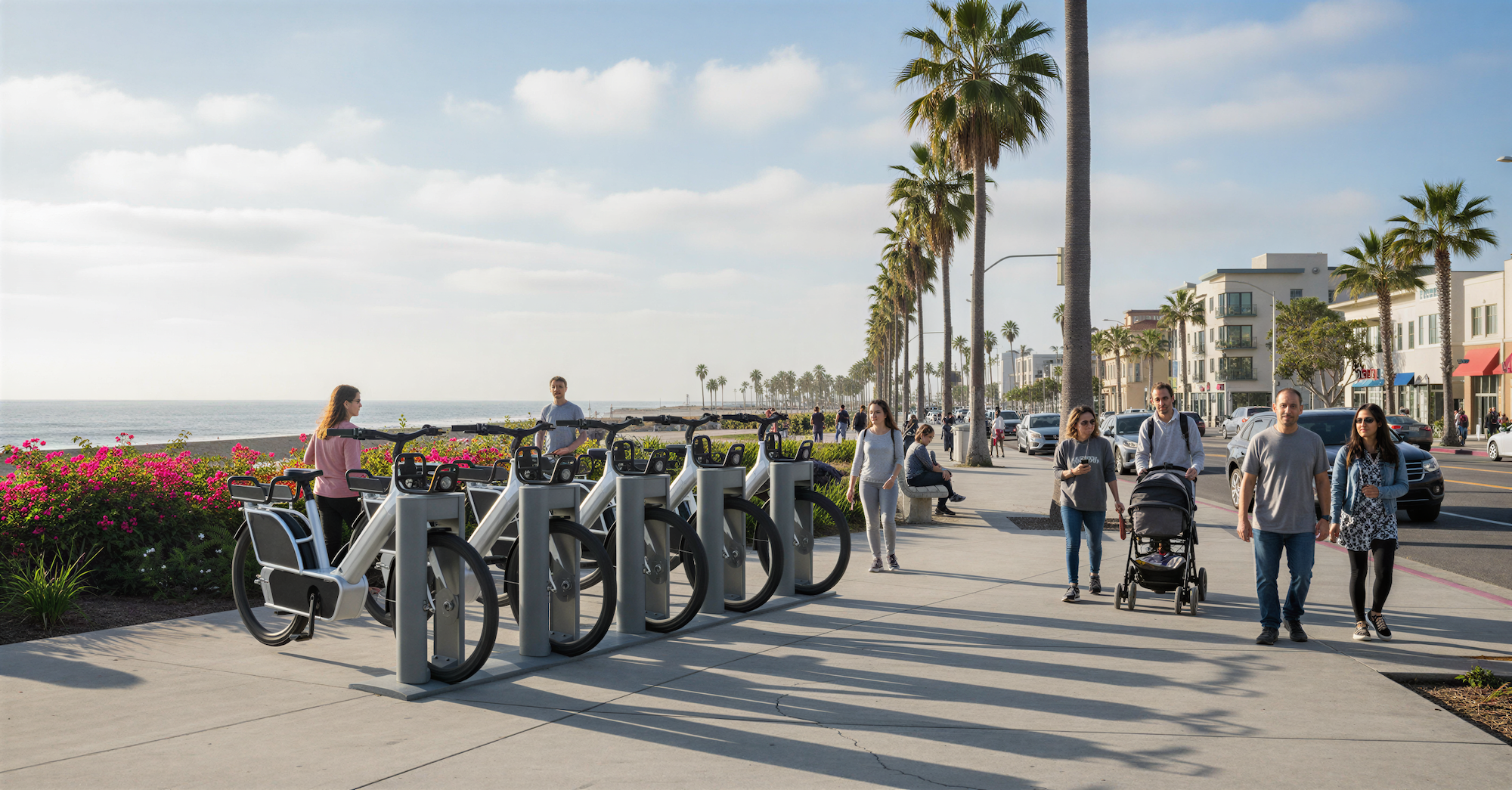
A look at Light Transit’s integrated e-bike share system.
Why Light Transit exists
Seeing these barriers up close—not from the outside but from years doing the procurement, the operations, and the on-the-ground work myself—convinced me it was time to build something different.
Light Transit exists to cut friction out of micromobility and push the industry toward more openness and flexibility. Instead of reinventing the wheel or locking a city into one proprietary stack, we integrate with best-in-class partners across hardware, software, and operations, and build systems that actually fit the community they're going into.
What That Means for Your Agency
In practice, that's a faster path to a working system, not a multi-year build. It's a contract that doesn't lock you into one vendor for five years if your needs change. It's the ability to swap a piece of the system, a vehicle type, a payment integration, a docking solution, without renegotiating the whole thing. And it's lower upfront capital risk, because you're not betting everything on a single company's roadmap.
Built to Stay Independent
We’ve said no to venture investment, and are built to stay that way. Lean and selective by design, our business model allows us to move fast and stay focused on what actually gets people riding, not on satisfying outside investors.
Where We're Headed
We want real transit choice to be normal: cruising to the beach in a light four-wheel vehicle, riding a cargo bike with your kid to school, grabbing a shared e-bike for a quick errand downtown.
Right now, that means focusing on micromobility first: we've integrated with industry-leading partners to build a world-class electric bike share system.
The concept is simple:
Built Open. Built to Last
More to come.
Get in Touch
If you’re a local government or organization looking to expand micromobility in your community, please get in touch!
I’m always up for sharing needs and resources so that we can work together towards lighter transit as a society.