
Meet Light Transit’s CEO, John Tully

John leads a local Moonlight Mash ride—on a City of Long Beach Bikeshare bike
My Start in Micromobility
I got into micromobility out of necessity. As a young teen, with two working parents, it was up to me to get myself to and from school.
I bought a bike off of Craisglist. Before long it needed to be maintained, and I found myself drawn to the local bike shop. Pretty soon I was sweeping the floors, taking out the trash, and learning to turn wrenches.
By senior year, I was managing the shop. I'd get out of school and race to work. I ran payroll, placed vendor orders to keep the shelves stocked, and worked on friends' bikes in between.
By the time I graduated, I had already found my home in the bike industry and was running my first business there. I’ve always felt so grateful for this calling and community and have looked for ways to grow it ever since.
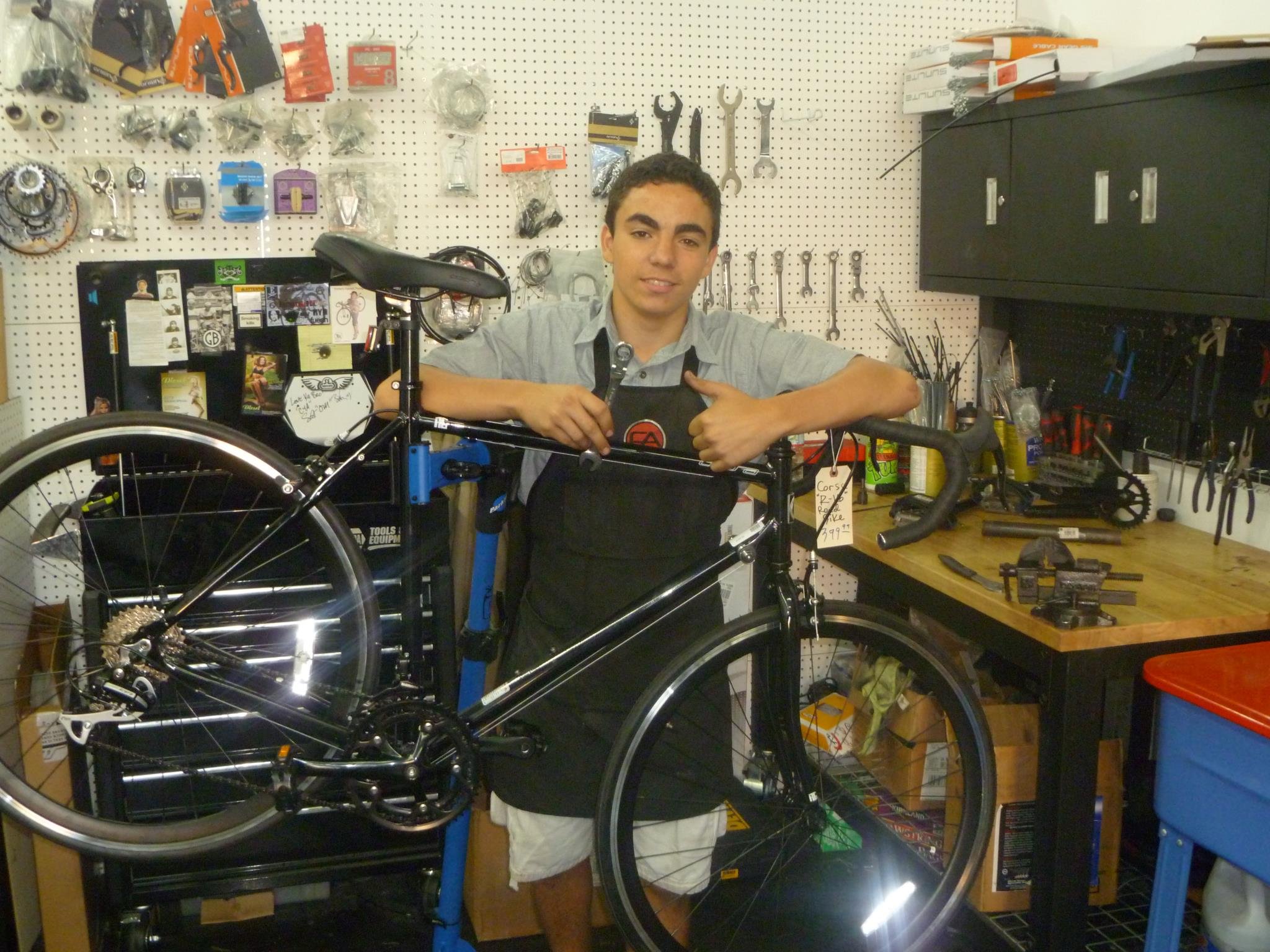
Johnny in 2010, proudly turning wrenches at his first job back in high school.
Building community, one full moon at a time
Driven to share my passion for cycling and build local community, a few friends and I launched the Moonlight Mash bike ride, extending a chapter from the original ride in Eugene, Oregon. What began with 20 riders quickly grew into a 200+ person event — an 8-to-80-friendly, all-inclusive ride held every full moon that brought together people from all walks of life.
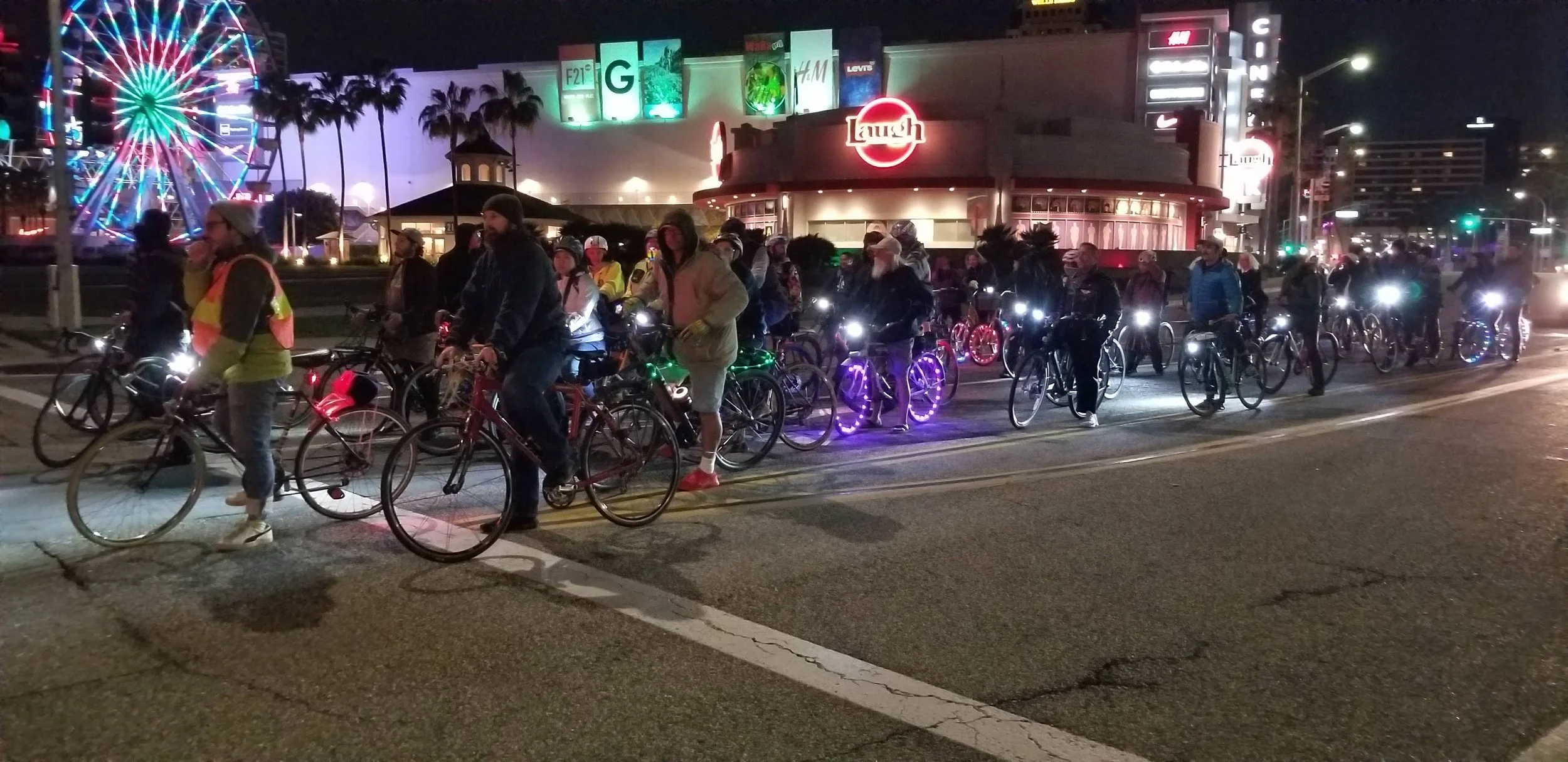
Johnny leads a Moonlight Mash ride back in 2015.
Around that time, an invitation to volunteer at a local farmers market bicycle valet sparked the founding of Pedal Movement with my co-founder, Graham Baden. Soon we were running bicycle valets citywide, sometimes managing multiple sites at once. Our grit and dedication to helping people choose bikes helped us expand even further, eventually leading Pedal Movement to take over operations for the Long Beach Bikestation and the Long Beach Bikeshare Program. Armed with solid fundamentals and enthusiasm, we hired fantastic local talent to help turn the vision into reality.
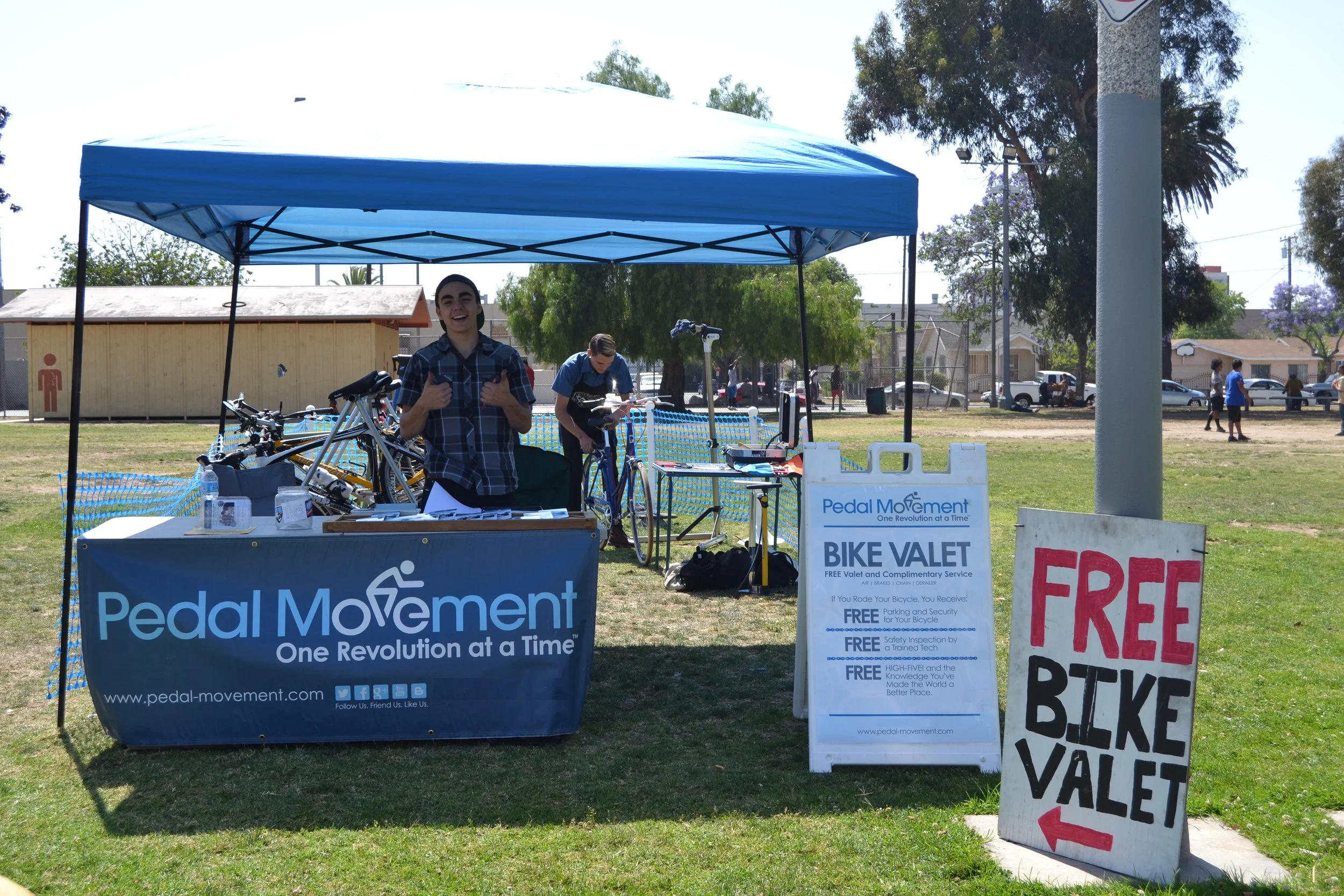
The more Pedal Movement served the cycling community, the more opportunity they saw to lead the micromobility movement in their community.
A Decade of Growth Leading Pedal Movement
Over the next decade, the company grew beyond anything I could have predicted. We built and operated Long Beach Bike Share and the GoActiveLB Commuter Hub, became Lime's first North American logistics partner — managing over a thousand vehicles in Seattle — ran workforce development programs across California, and grew our team to over 55 people.
Through that work, I realized Pedal Movement was at the forefront of the first generation of micromobility: a fast, innovative, and volatile movement driven by incredible talent. Operating a bike share program showed me firsthand the exact friction points cities and riders faced while adopting this new mode of transit. The young industry was navigating bankruptcies, acquisitions, supply chain bottlenecks (especially during COVID), and proprietary technology constraints.
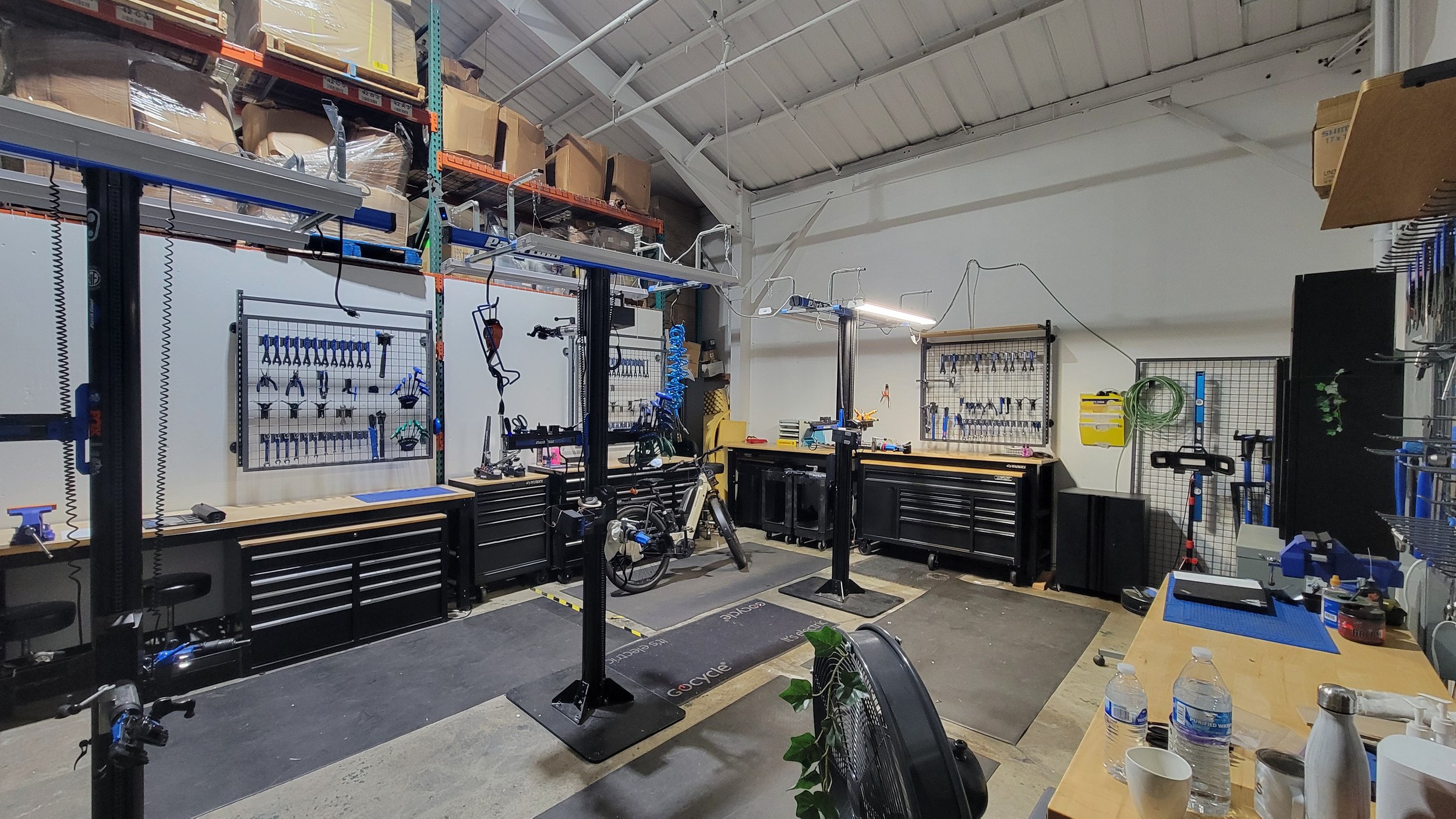
Light Transit’s Long Beach HQ, where we conduct operations, maintenance, and local transport. More on our hardware and software design to come.
Why I Started Light Transit
While Pedal Movement was deeply rooted in the operations side of micromobility, I recognized that the biggest gaps limiting the next generation of micromobility weren't in operations — they were in hardware and software.
One of our last big builds together was the Rancho San Pedro Mobility Hub. That project had me sourcing vehicles, infrastructure, and software that were all readily available on the market, and I found it was a lot harder than it needed to be. I couldn't actually get what we needed to ensure a smooth user experience — we were either too small a customer or got buried in technicalities that weren't a good fit. It still "worked," but just barely.
My time at Pedal Movement showed me the micromobility industry was fragmented in North America — great technology, but siloed. I also learned, firsthand, what actually slows this industry down. So many companies hold their systems closed off to protect a revenue line, even when riders would get a better experience and cities would adopt faster if things were more open. To me, real progress looks different: integrate the best tools already out there instead of building everything from scratch, and stay flexible enough to give a city what it actually needs instead of forcing it into a rigid, one-size-fits-all product.
To build that vision the way I believed it should be built, I knew I had to step down from my role as CEO, President, and Co-Founder. At the end of 2025, I finalized my exit from the company I had co-founded at 18 — and put everything I had into the next chapter.
What Makes Light Transit Different
I started Light Transit bootstrapped, with no outside investment. This allows me to stay selective about where we spend, and free from investor pressure, pushing short-term profit over long-term adoption. It's what lets us move fast and stay focused on what actually gets people riding, and keeps them riding.
In coming posts, I’ll share some real world examples of projects where our independent, agile, community-centered model is already at work.
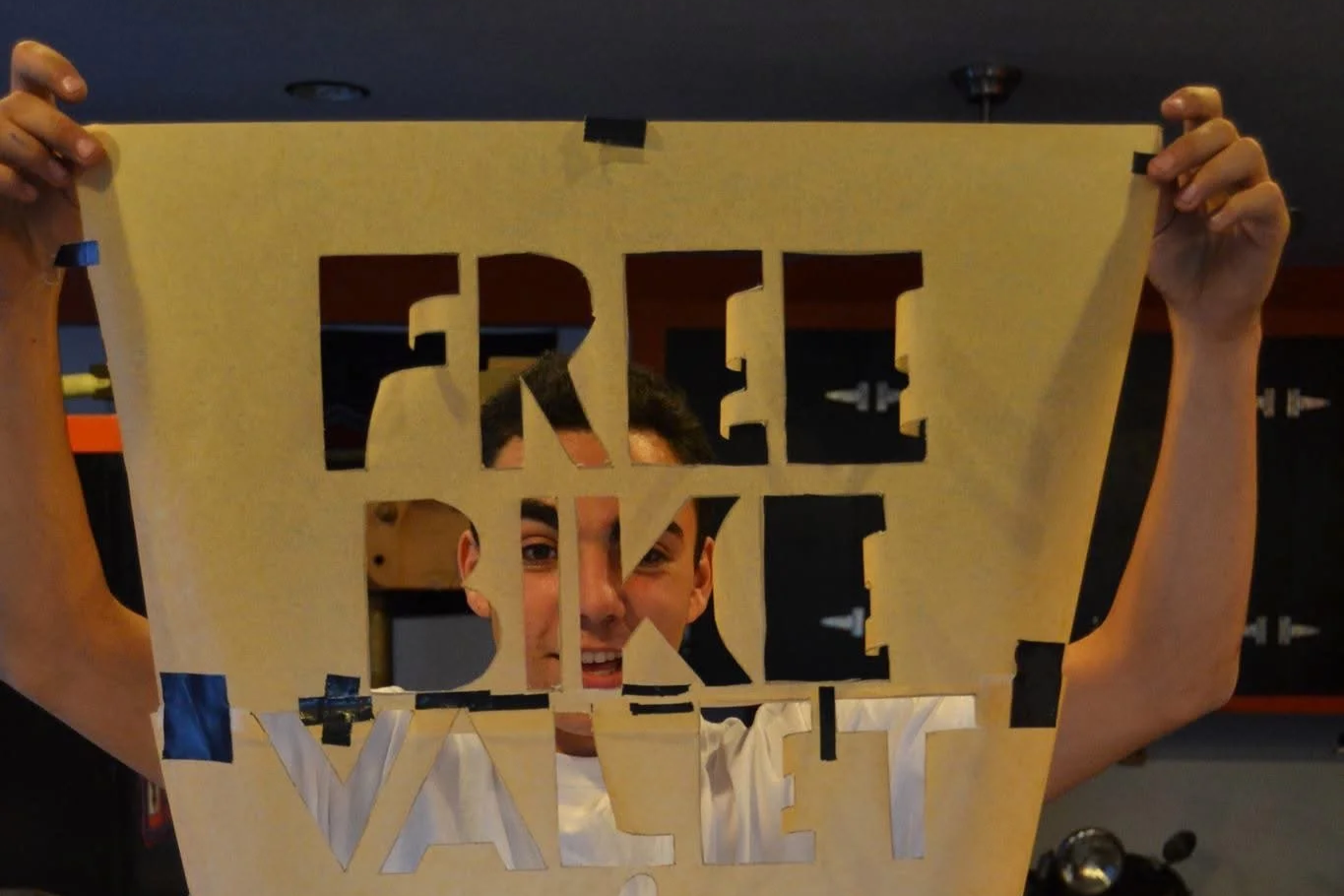
Until then, I’ll leave you with one last image from my early days =)
Get in Touch
If you’re a local government or organization looking to expand micromobility in your community, please get in touch!
I’m always up for sharing needs and resources so that we can work together towards lighter transit as a society.